A bookstore visit triggers memories of meeting an intellectual hero
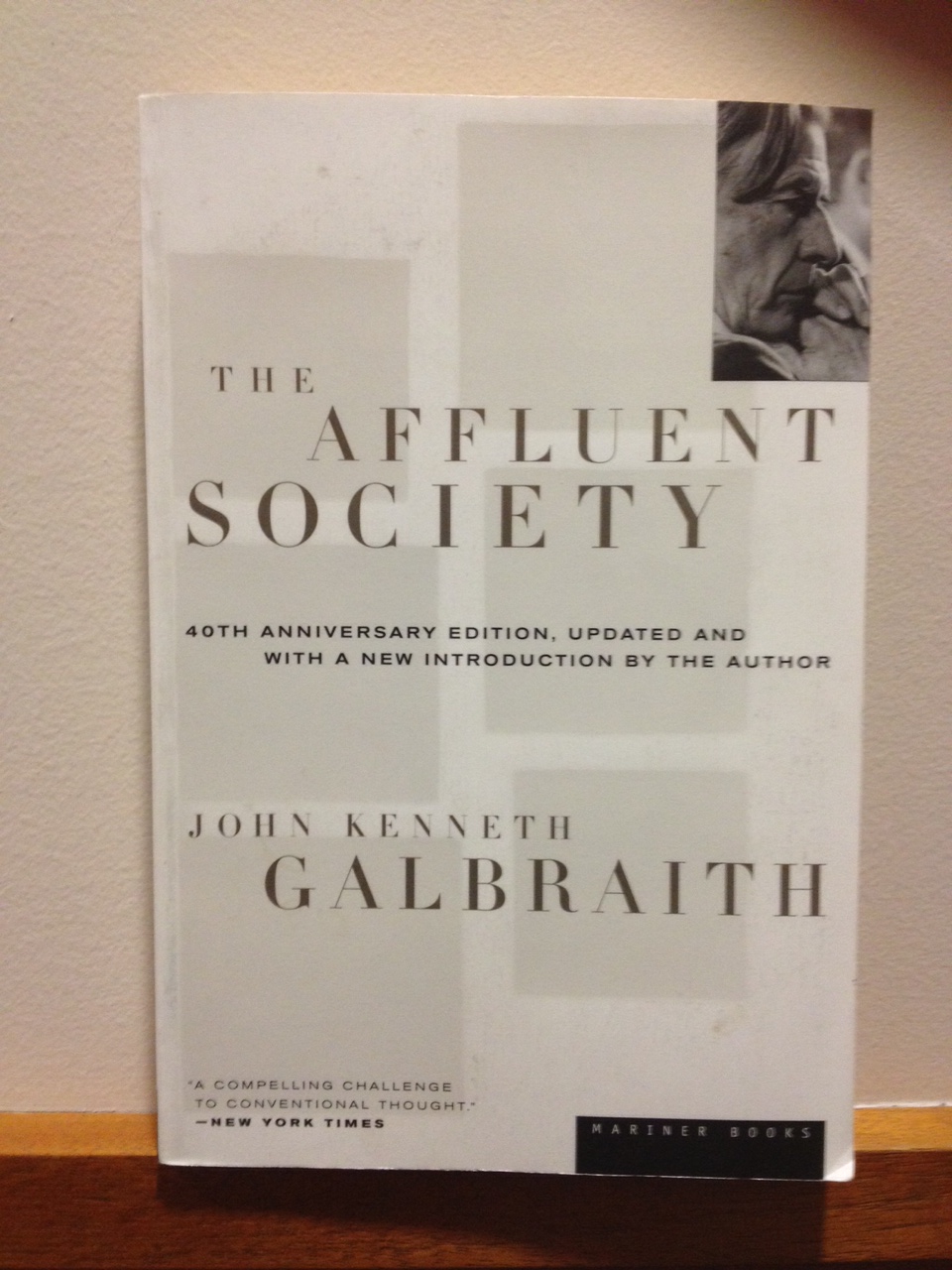
This afternoon I stopped by the venerable Brattle Book Shop, my favorite used bookstore in Boston and one of the nation’s oldest booksellers. The frequent turnover of their stock means that new discoveries await with each visit. Today’s brief sojourn introduced me to a newly-arrived row of books authored by John Kenneth Galbraith (1908-2006), the renowned Harvard University economist, public intellectual, and bestselling author of books on public affairs.
Galbraith cared passionately about economic society, but he never lost sight of the bigger picture. He understood that smart, sensible liberalism was not about advancing single issues to the exclusion of all others, but rather embraced a broader, inclusive agenda covering many priorities. He valued intelligent discussion over cheap slogans and didn’t hesitate to exchange ideas with those who disagreed with him.
Among the titles available at the Brattle were his most well-known works, including The Affluent Society (1958), The New Industrial State (1967), and The Great Crash, 1929 (1954). Many were signed by him, and when I opened the volumes I saw a signature that looked familiar to me. And herein lies a story…
I discovered Galbraith’s writings as an undergraduate during a semester abroad in Cambridge, England. There I attended a debate featuring Galbraith waxing eloquent about economic policy. Suitably impressed, I devoured several of his books during that overseas semester, and he quickly became one of my intellectual heroes. For years I thought to myself, gee, it sure would be great to meet the guy someday.
My assignment
Galbraith was a co-founder, leader, and ongoing supporter of Americans for Democratic Action (ADA), a longstanding liberal advocacy group based in Washington, D.C. In 2001, I joined the ADA’s board of directors. I became active in the organization’s fundraising efforts, and in 2006 I was dispatched in this role to visit with him at his Cambridge, Massachusetts home to solicit his statement of support for a fundraising campaign. He replied promptly to my letter requesting a meeting, and I arranged to meet with him at his Cambridge family residence.
On the appointed day I arrived at his home, where he was confined to his bed. I had not known that his health was in a sharp state of decline. It quickly became apparent that he was in the final chapter of his long journey. My nerves about this first-ever private chat with a man I had admired for so long were exacerbated by my awkwardness over meeting him in this condition. But I gathered myself, explained why I was visiting, and asked for his support for ADA. Although his attention waned at times during our talk, he promised to provide me with a testimonial for ADA and added that he’d send me a copy of the latest edition of The Affluent Society.
Several weeks later, Galbraith passed away. I hadn’t heard from him, and I realized that his condition did not allow him to follow up on our conversation. Nonetheless, I was enormously grateful for the opportunity to finally meet him.
In the mail
But I was in for a stunner: A few days after his death, I checked my mailbox at work, and there was a package with Galbraith’s Harvard University return address.
Hands shaking, I opened it, and on top was a note from his assistant, apologizing for the delay in following up on our meeting and explaining that mailing the package was delayed by his passing. Underneath was a dictated letter from John Kenneth Galbraith, dated 12 days before his death, which included his eloquent testimonial in support of ADA’s fundraising campaign.
There was one other item in the parcel. It was a copy of The Affluent Society, inscribed to me with a much scratchier version of the signature I saw in those books today at the Brattle Book Shop.
Years later, it still gives me goosebumps to think about it.
Frozen pizza

With another winter storm heading toward New England, my thoughts go to…
…frozen pizza!
I wrote about comfort food in November, but I neglected to include frozen pizza on my short list. Of course, pizza of any variety appears on that list — restaurant, take-out, delivery, whatever. But with more cold and snow on the way, it’s reassuring to know that I’ve got an Amy’s cheese pizza (yup, the one in the photo!) stored in the freezer.
Amy’s pizza is on the high end. It’s pricier than the standard fare. But it’s good stuff, and to keep it a “healthy” pie while enhancing the flavor, I add some tempeh (“fakin’ bacon) strips.
By far the best frozen pizza I’ve ever had is Trader Joe’s three cheese pizza, but alas, the closest store is several subway stops or a bus trip away. Newman’s Own cheese pizza is very good as well.
My guilty favorite is Red Baron’s individual deep dish pizzas, sporting a long list of ingredients that don’t sound too pizza-like to me. However, I’m trying to eat healthier these days, so between Amy’s frozen pies and a great eat in/delivery place in my neighborhood (Il Panino in Jamaica Plain), my domestic pizza situation is not as chemically enhanced as it used to be. (If the folks at Il Panino happen to be reading this, yes, you’ll be hearing from me sometime during the weekend.)
I’m glad that I ate a late dinner, or else I’d be tempted to pop that sucker into the oven right now. Such is the power of suggestion when writing about crave-worthy food…..
1914 and all that
To most Americans, even those with some appreciation for history, the centennial anniversary of the start of the First World War may not resonate very strongly. After all, the U.S. didn’t enter the war until 1917, a year before it ended. But especially for those in Europe, and many other parts of the world as well, the year 1914 symbolizes seismic changes, and not for the better.
Those who seek neatly packaged narratives within the course of history may find the First World War elusive and tragic. Historians continue to debate how it all started. And rather than being sharply defined by epic battles, stories of the fighting in WWI often converge on the horrors of trench warfare, with two sides murderously slugging it out over the same patches of bloodied landscape. The war’s end came suddenly, and historians can’t agree on the reasons behind that, either.
Perhaps we could find some solace in that suffering if it had led to a lasting peace, but this was not to be. At the risk of vastly oversimplifying things, it’s fair to say that the unfinished business of WWI created diplomatic, economic, and military waves that culminated in the start of the Second World War some two decades later.
While every war involves horrific suffering, WWI specially captures a deep sense of sorrow and no small amount of sheer folly. Understandably, we might be tempted to look away, but that would be a mistake. Rather, the First World War presents lessons to be learned, however painful. In fact, this 100th anniversary has been marked by many assessments noting the similarities of the international landscape of today with that of 1914, on the eve of the war’s outbreak.
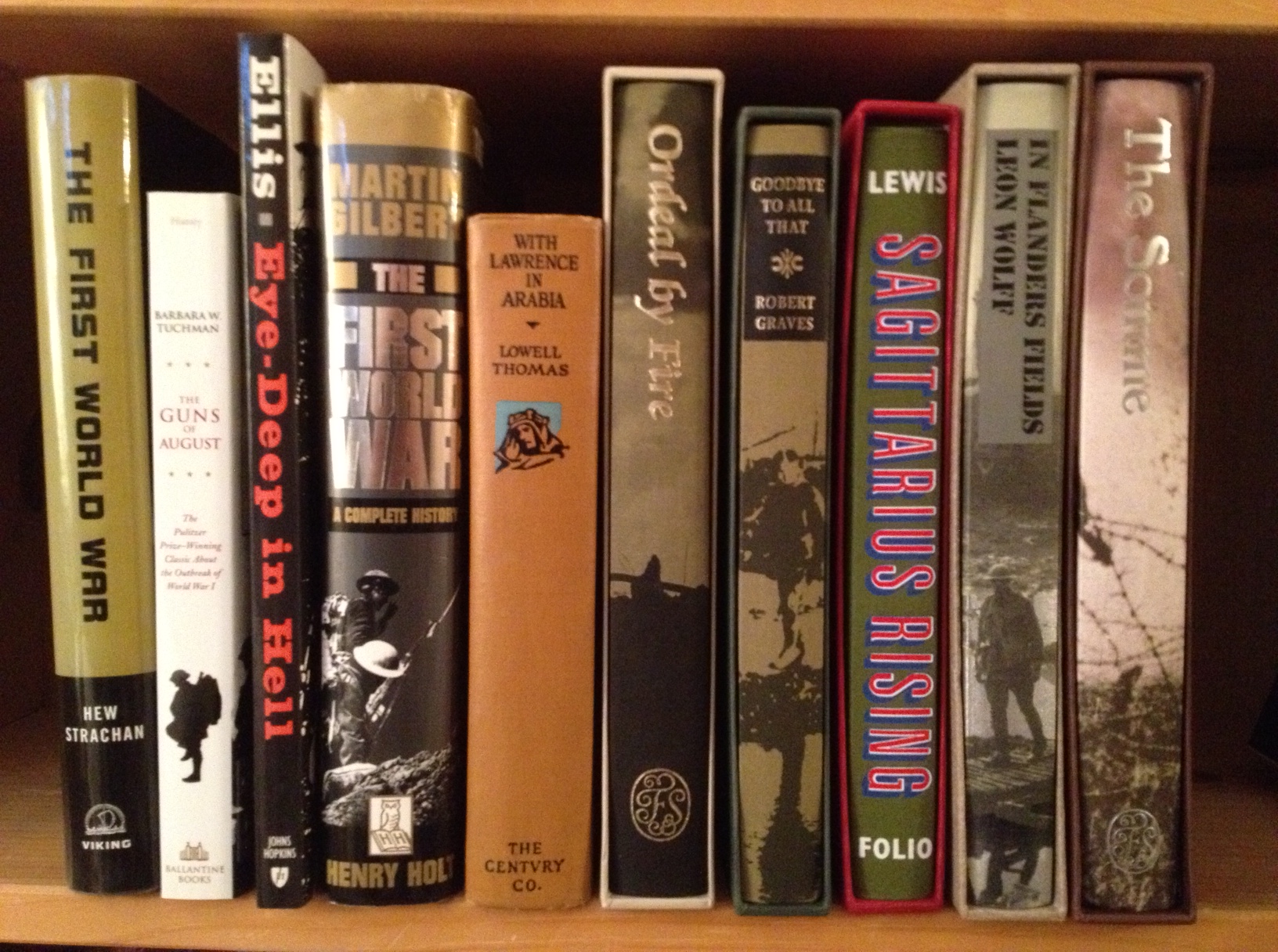
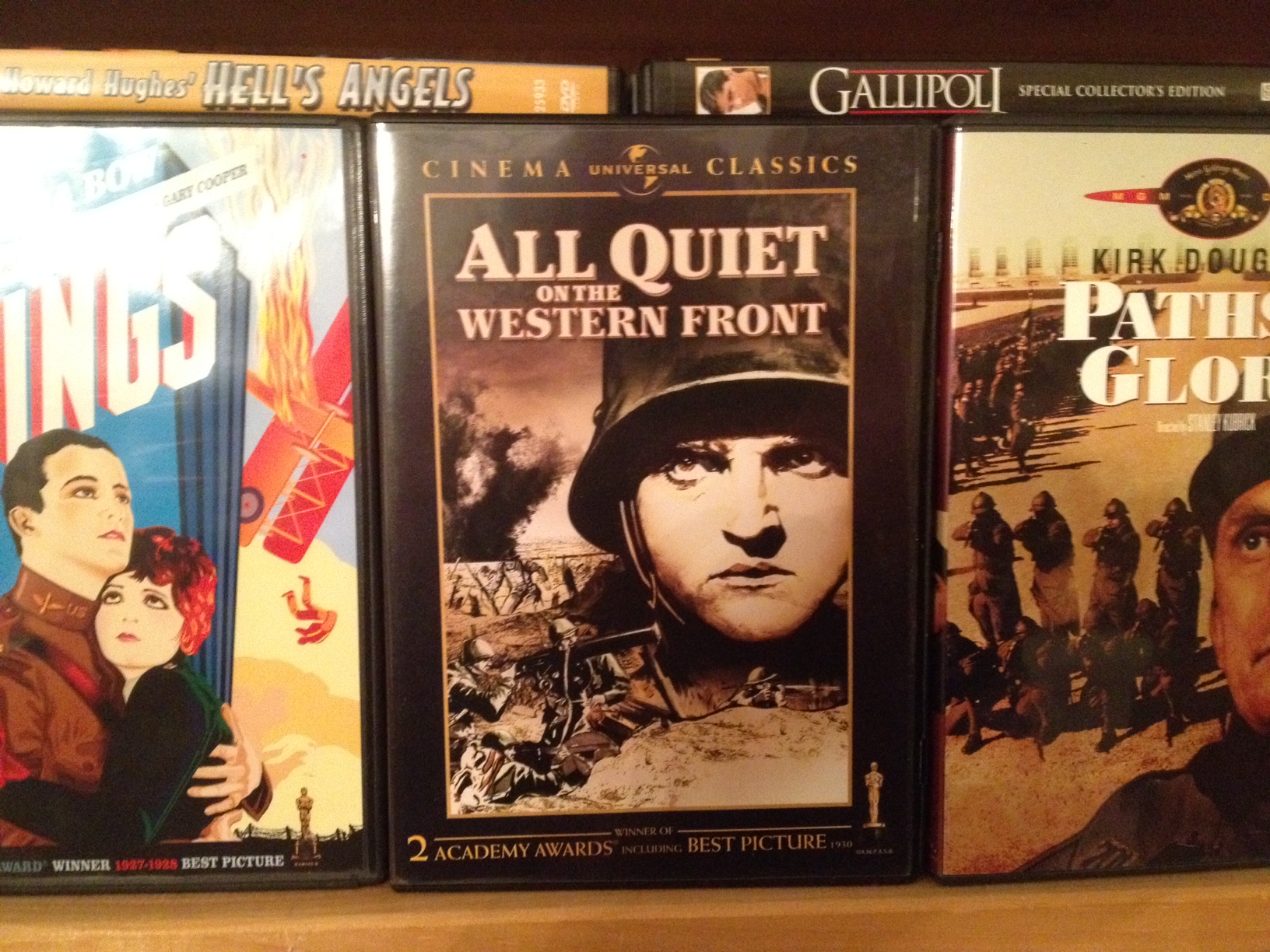
If you want to learn more, there are books, documentaries, and movies galore, with a pipeline to follow during the next four years. I’ve included pictures of some of the items in my library. In particular, if you’re unfamiliar with WWI and its emotional and physical toll, you might want to watch the Academy Award-winning classic from 1930, “All Quiet on the Western Front.” If you feel a haunting sense of tragedy after a viewing, then you’ve started to scratch the surface of what the war did to the generations who experienced it.
Libraries are a geek’s paradise

Bates Hall reading room, 2nd floor, Boston Public Library, Central Branch (photo: DY, 2011)
I love libraries. Over the years they have served as both workshop and sanctuary for me, and the most beautiful libraries embody an almost sacred quality.
The Central Branch of the Boston Public Library, located in the city’s Back Bay neighborhood on Copley Square, is one of my favorite places. The McKim building of the Central Branch, the site of the photos here, is deservedly a tourist attraction.

The gorgeous Abbey Room, used for book readings and other events, 2nd floor. (Photo: DY, 2011)
You might think that my affinity for libraries is all about my being an academic. However, in my experience most professors prefer to work in their offices or homes, rather than join the masses in a public or university library.
In fact, when I peer around the stunning Bates Hall reading room of the McKim building, few of the denizens “look” like professors — that is, assuming that profs have a giveaway appearance! Instead, I see a lot of young folks and adults from varying walks of life, at least based on the books, papers, and gadgets they have piled about them.

John Singer Sargent Gallery, 3rd floor (Photo: DY, 2011)
You won’t see many books in these pictures! The McKim building houses the research collection, which for the most part can be accessed only by request. The lending library adjoins the McKim building — it is big and serviceable but not nearly as architecturally appealing.

The library’s Italianate courtyard, peaceful and lovely. (Photo: DY, 2011)
Today’s lending libraries are a multimedia treat for borrowers. Books, DVDs, audiotapes, and even e-books are now part of the treasure trove. Especially for folks on a tight budget, a library card can be a ticket to adventure, enlightenment, and entertainment. That $25 bestseller at the bookstore? It’s free to read from the library! (And if you read the first chapter and find that the book doesn’t float your boat, it doesn’t cost a cent to return it — unless you’re like me and return it overdue.)
And at some libraries, you can even refuel with some coffee and a morsel, though it’ll cost you.
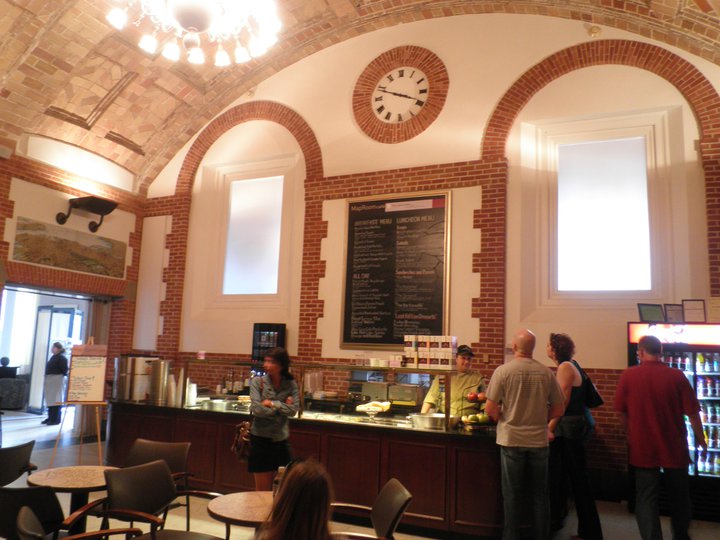
Map Room cafe, serving tasty sandwiches, soups, and pastries. And, of course, lots of coffee. (Photo: DY, 2011)
For researchers and writers working on their latest articles and books, libraries are repositories of accumulated knowledge. Even if one isn’t doing research at the library, it provides a place of solitude to contemplate the task at hand. When I sit at the long tables at the Boston Public Library and imagine what other patrons are working on, I feel a quiet sense of shared purpose among our diversity of projects.
When I depart from the library and step out into the heart of the city, it feels like I’ve left a contemplative, cloistered space to rejoin the hurly-burly of urban society. I happen to like cities, so that’s not a bad thing for me. But it does make me look forward to my next visit to the library.

McKim building’s Copley Square entrance (Photo: DY, 2011)
Music and memories
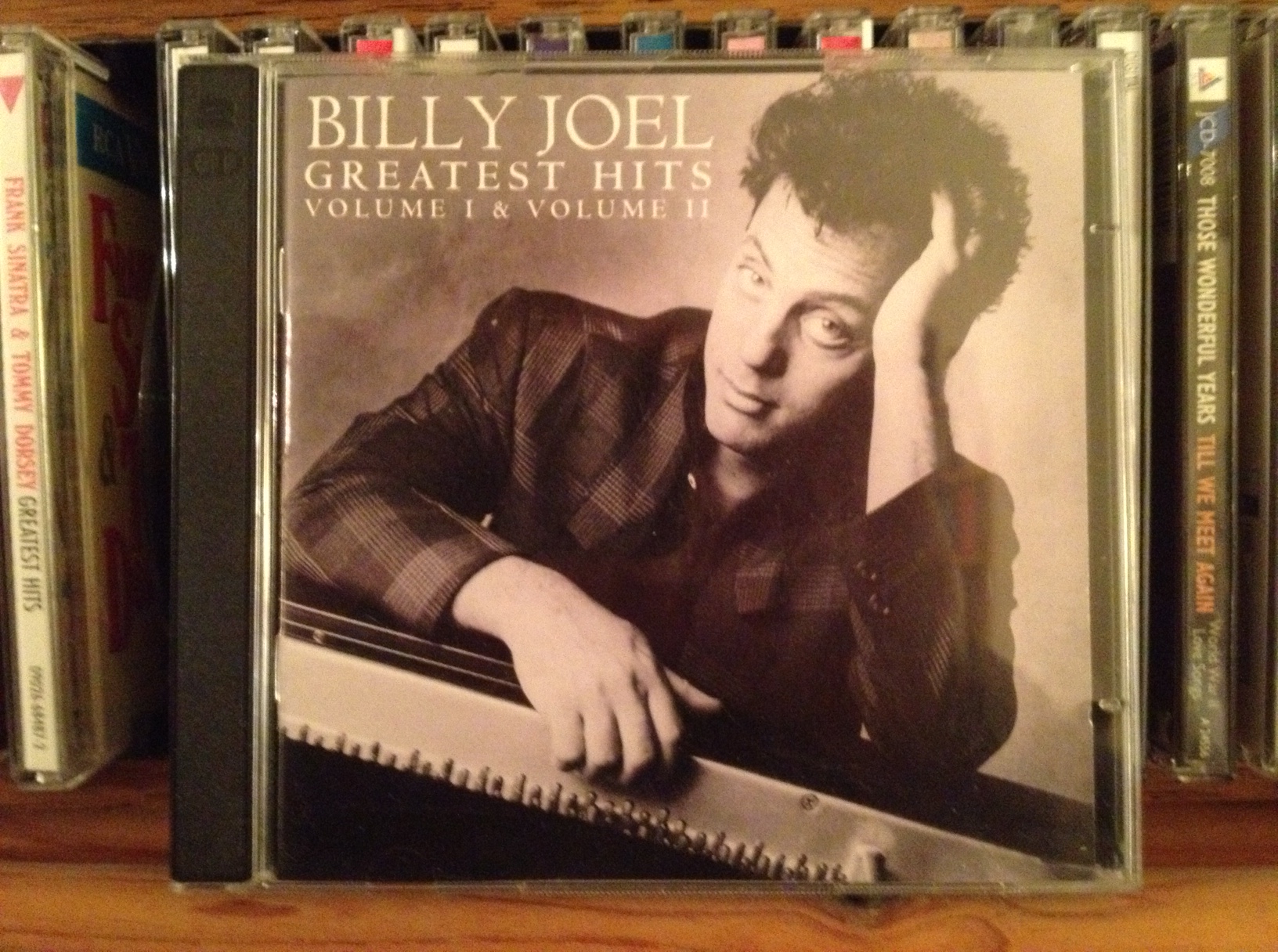 Music and memories. We hear an old pop tune on the radio or MP3 player and it quickly summons memories — good, bad, in-between — about a chapter of our life we associate with that music. Are there any stronger connections between popular culture and our life experiences?
The Andrews Sisters or Glenn Miller and The Greatest Generation. The Beatles or Motown and classic Baby Boomers. Music can be an instant on switch to a personal nostalgia channel.
Gen Jonesers and pop music
For many Generation Jonesers, Billy Joel provides a body of memory-making music. The songs contained in volumes I and II of his Greatest Hits album were especially popular during my college and law school years (late 70s through mid 80s). When I listen to them in the rough order of their release as singles, I’m treated to a year-by-year “mind’s eye” trip down memory lane.
Among the 25 songs in the album, my favorites are “Piano Man,” “New York State of Mind,” “You May Be Right,” “Allentown,” “Tell Her About It,” “Uptown Girl,” and “The Longest Time.”
But they’re not on the list because they’re necessarily the best songs, objectively speaking. No, I include them mainly because I associate memories with each. Overall, they capture a meaningful time in my life when I was finishing college in Indiana and moving to New York for law school. In fact, it’s hard for me to listen to the album for its own sake, because the memories connected with those songs are so sharp.
Given my druthers, I prefer the popular music of the first half of the last century to the stuff that followed. Yup, I’m more likely to listen to Frank Sinatra than to The Clash, though I enjoy both. In any event, I know I’m not alone among my peers when I turn on that 80s “oldies” station and fill with memories.
A song and a smile
Associations between music and memories can run deep, into the recesses of minds otherwise harder to reach. About ten years ago, I was part of a group that gave short vocal concerts at senior homes. At one of our little gigs, I sang a classic from the World War II era, “A Nightingale Sang in Berkeley Square.” Here’s a lovely Vera Lynn rendition:
While I sang, a resident of the home grew the sweetest smile on her face. The way her eyes lit up, I could tell that the song resonated with her, that it touched some part of her experience. After our show was over, I thought I’d say hello and went over to her. But my effort to strike up a friendly chat quickly revealed that she was non-responsive to verbal messages, that she had withdrawn back to the place that likely led to her to be living in a senior home.
It was a quick lesson: Music could reach her in a way that ordinary conversation could not. And it could still cause her to smile.
What makes those British TV dramas so good?

If you need more evidence of the triumph of television as a premiere form of entertainment, just check out the continually growing list of quality dramas from across the pond, usually via PBS or BBC America.
Downton Abbey is the obvious pick right now, but it’s one on a long list. I’m especially drawn to British crime dramas. Helen Mirren’s brilliant Prime Suspect is one of my favorites, but what about more recent additions such as Broadchurch and Whitechapel? And let’s not forget old standbys such as Foyle’s War, or the Oxford pair of Inspector Morse and Inspector Lewis.
The good stuff from Britain can pop up unexpectedly. For example, I was searching around Amazon’s streaming video a few months ago and discovered London Hospital (a/k/a Casualty 1900s in the U.K.), a short-lived drama about the Royal London Hospital set during the turn of the last century. It’s got a touch of ER and a load of Victorian atmospherics and understated Brit acting (wholly unlike ER). It also serves as a bit of a history lesson about health care 100 years ago.
British TV dramas typically mix great use of locations with astonishingly good acting. And whereas even the best American TV dramas usually feature young, very attractive lead actors and actresses, the Brits aren’t as obsessed with youth and looks. As a result, the characters tend to grow on you in more nuanced ways, like real people do.
Furthermore, the storylines are more compelling than so many American counterparts. The crime dramas tend toward the gritty and authentic. You’ll never confuse an episode of Prime Suspect with, say, one of TNT’s The Closer or its successor, Major Crimes.
However, it’s also fair to say that America is catching up, thanks largely to a cluster of superb dramas on cable, such as The Wire, Mad Men, and Breaking Bad (so I’m told — binge view to come soon).
Here in Boston, we’re looking at a pretty cold winter. What better time than to access the treats awaiting us on the small screen?
Train stations

NYC’s Grand Central Station (Photo: DY, 2010)
Great train stations capture a gamut of emotions: Reunion, separation, joy, sadness, anticipation, anxiety, romance, you name it. It’s no wonder that so many iconic movie scenes take place in train stations.
In the U.S., my favorite is Washington D.C.’s Union Station. If the Boston-to-D.C. Amtrak ride wasn’t so long (taking the better part of a day), I’d be on it every time I took a trip to the nation’s capital! Union Station is beautiful, busy in a good way, and replete with shops and eateries to pass the time.
New York’s Grand Central Station comes in second for me. It would be tied for first with Union Station but for the fact that it has been relegated to the status of commuter rail terminal. I hope the folks in Westchester County won’t get mad at me when I say that it’s such a waste of a public palace to hear announcements for trains departing to White Plains.
Chicago’s Union Station is a pretty cool place. The Windy City was one of the nation’s most active passenger rail hubs back in the day, and Union Station’s splendor remains evident.
Boston’s South Station is the Little Engine That Could. It’s not super fancy or beautiful on the inside, but it looks nice on the outside and serves as the city’s main intercity and commuter rail station. Not bad for a college town on steroids.
One of the ugliest, most cramped major stations is New York’s Penn Station, which was once an architectural showpiece until certain powers that be knocked down its most beautiful parts and turned it into an underground horror show.
Most of my train travel abroad has been in England and the European continent, and about many of those places I can only say wow. London, Paris, Berlin, you name it, both past and present make themselves known.
During trips to London, I’ve usually stayed at inexpensive B&B hotels near Victoria Station. I just love that train station. It pulsates with life.
Like air travel, a long train ride used to be something of an event. Those days have largely passed, at least in the U.S. Nevertheless, a beautiful train station can still fill one with excitement over journeys starting and ending.
Your first personal computer
Do you get nostalgic about your first personal computer? Perhaps it is a sign of geekdom if the answer is yes. But if you’re a Gen Joneser, it’s very possible that you discovered computing on your own, making for a lot of good gee whiz discoveries and eventual memories.
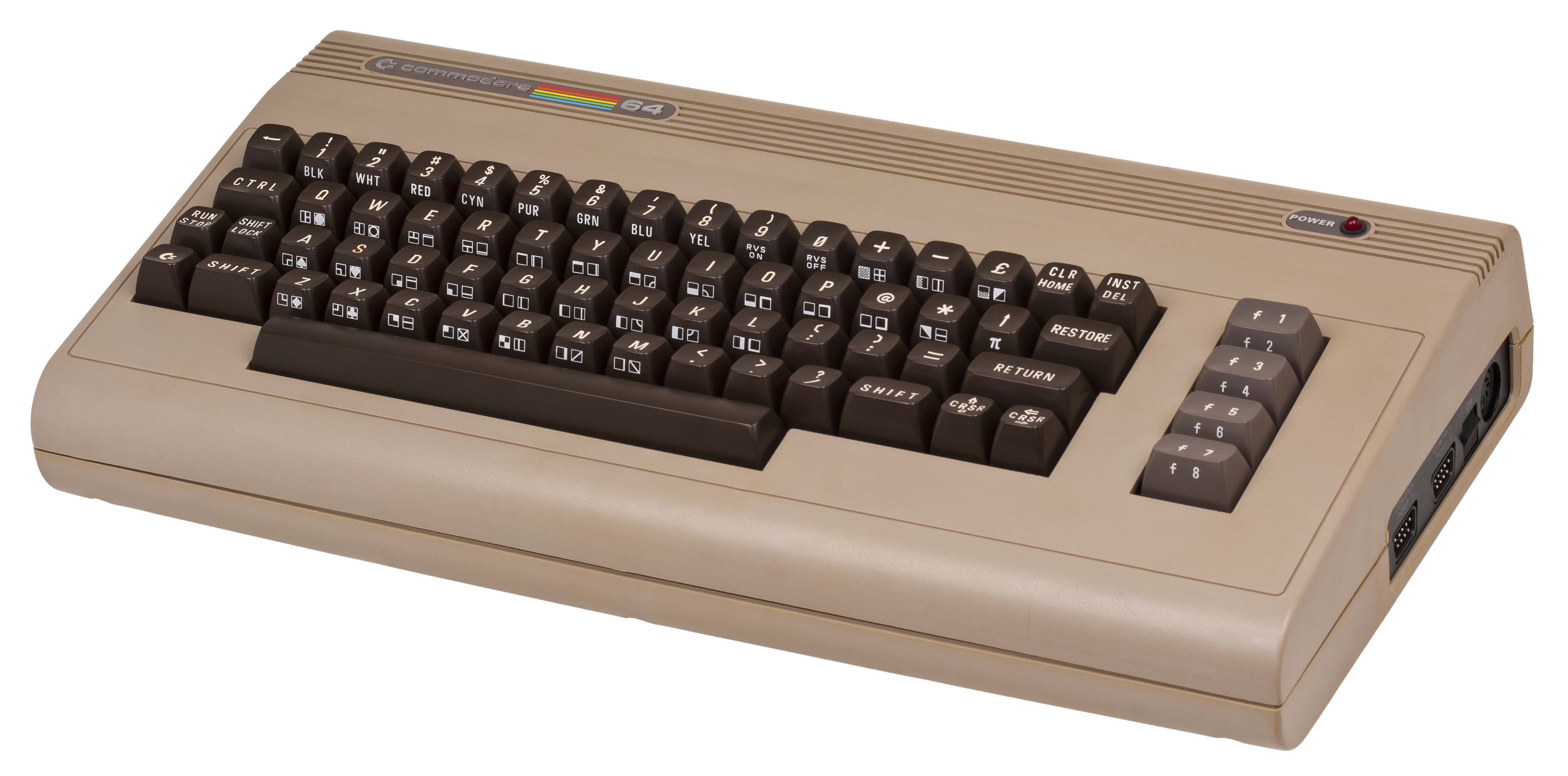
Commodore 64 computer (Photo: Wikipedia)
When I finally decided to buy a personal computer in 1988, I aimed for the low end: The venerable Commodore 64. By then, the IBM PC had already made its mark, and the Apple 128 was giving way to the Mac. Nevertheless, I was still working as Legal Aid lawyer in New York City, and I didn’t have a lot of money.
More importantly, the C64 had established itself as one of the best game machines around. Designers had squeezed everything they could out of its tiny amount of available memory, and the result was an incredible array of gaming software. I was especially partial to sports video and simulation games, and the choices were considerable.
Productivity software designers were similarly ingenious. For example, the C64 supported decent word processing programs that signaled the eventual demise of my electric typewriter. The C64 even managed to introduce me to online computing, however primitively. Powered by a 1200 baud modem, I dialed into Quantum Link, soon to become AOL.
Although I was among the last major wave of C64 buyers, I was in very good company. As this excellent Wikipedia article about the history of the C64 tells us, it was one of the bestselling computers of all time. Airplane buffs will understand the reference when I say it was the DC-3 of personal computers.
In the early 90s, I upgraded to a PC, and about five years ago, I morphed over to Macs. Yup, affordable personal computing power has come a long way during the past 25 years. For me, though, I don’t think that any computing experience will surpass the pure fun of booting up that C64.
The communal experience of watching a great movie or TV show
One Sunday night during my first semester of law school at New York University, I had reached my fill of studying, so I decided to catch a movie. I checked the Village Voice and saw that “Singin’ in the Rain,” the classic 1952 musical starring Gene Kelly, was playing at the Theatre 80 St. Marks movie house in the East Village. I had never seen the movie before, but I thought I’d enjoy it.
So I trekked over to the theatre and plunked down my five bucks at the ticket window. I expected that the theatre would be pretty empty — I mean, c’mon, who goes to see a 30-year-old movie on a Sunday night? — but lo and behold, hardly any free seats remained!
Within a half hour into the screening, I knew I was watching what would become my favorite movie. I was thoroughly entertained, enchanted, and uplifted. And what added so much to the experience was that people were clapping, enthusiastically, after each of the iconic musical numbers, such as Gene Kelly’s signature performance of the title song (click above!) and Donald O’Connor’s dazzling, funny song-and-dance number, “Make ‘Em Laugh.”
I had never before been at a theatre where strangers cheered scenes of a movie in each other’s company. We reveled in that film, and obviously it made for a lifetime memory.
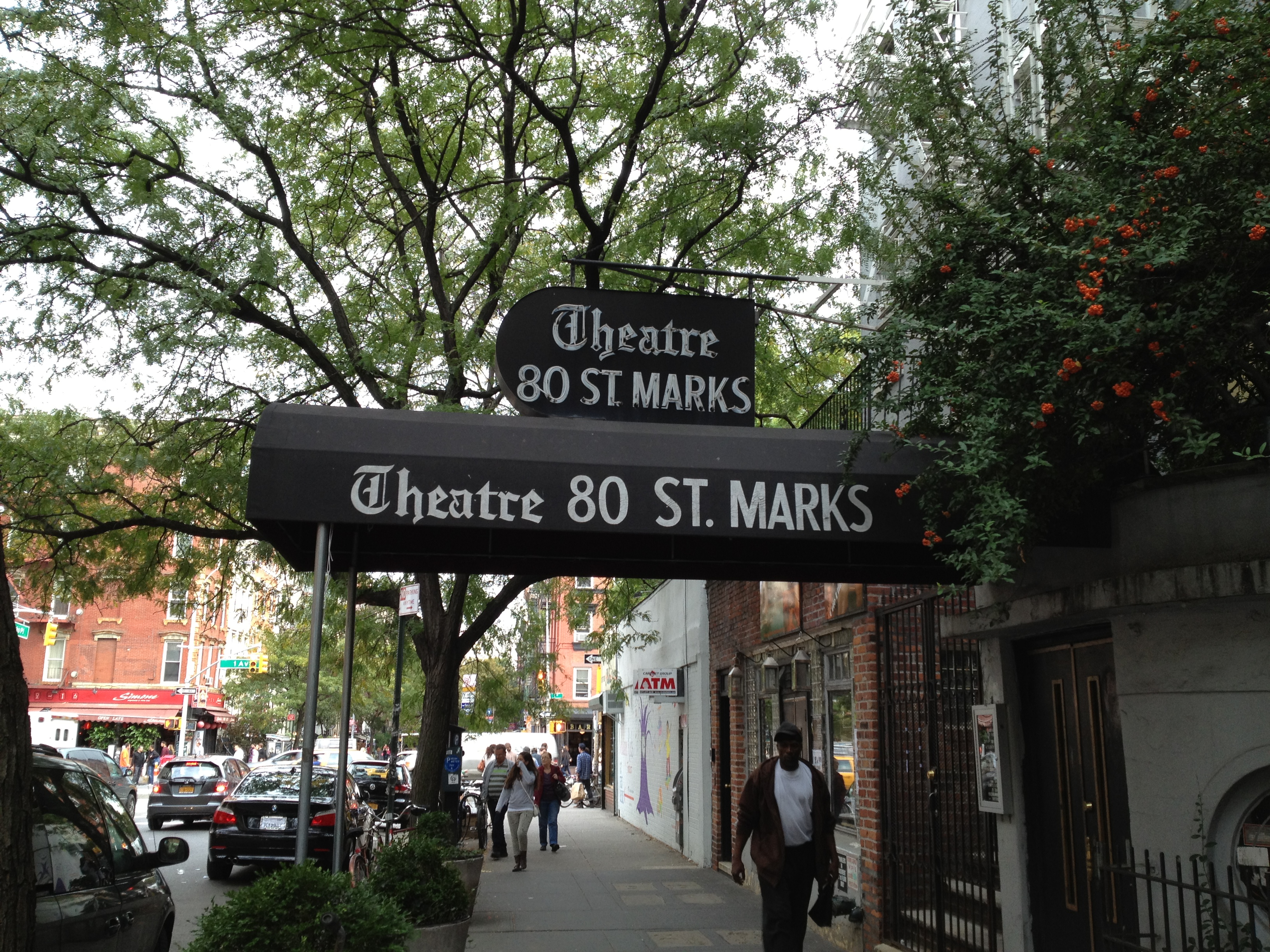
Theatre 80, East Village, Manhattan (photo: DY)
Going to see movies at Theatre 80 and other revival movie houses would become a staple of my New York experience. At times I would drag someone along, and on other occasions I’d just go by myself. How cool it was to watch classic old movies on a big screen!

Seasons 1 & 2 are on DVD
At the risk of sounding like the first year of law school was a cakewalk (rest assured, it wasn’t), another good memory of communing before a screen occurred every week in the Hayden Hall dormitory where most first-year law students lived. The dorm had a TV room, and dozens of us would gather to watch “Hill Street Blues” and “Cheers” as a group study break.
“Cheers” was at the start of its long run, and we enjoyed it. But it was “Hill Street Blues” — a cop show that anticipated just how good TV dramas could become — that most captured our attention. Largely unknown actors such as Daniel Travanti (Capt. Frank Furillo), Bruce Weitz (Sgt. Mick Belker), and Betty Thomas (Sgt. Lucy Bates) made for one of the best ensemble casts in television history, and the developing storylines maintained our interest from week to week.

Hayden Hall, NYU, Washington Square: Back in the day, lots of cockroaches, but a nice TV room (Photo: DY)
Such communal viewing experiences are few and far between these days. The old Theatre 80 still stands and is used for performing arts events, but it’s no longer a movie theatre. The widespread availability of VCRs pretty much killed off the revival houses, and with them went the experience of watching a classic movie in the company of others.
I have no idea if the TV room in Hayden Hall is still around, but even if it is, I’d be surprised if it plays the same community-enhancing role for the undergraduates who now live there. Most of them probably have their own TVs or use their laptops to watch the latest small screen programs.
As the rows of DVDs running along my bookshelves and my Netflix subscription attest, I appreciate being able to pop in a disc of a favorite movie or TV show. But I know it’s not the same as applauding with others for “Singin’ in the Rain” at Theatre 80, or rooting with friends for Captain Furillo and his squad to catch the bad guys and survive City Hall politics on “Hill Street Blues.”
Has the Kindle Paperwhite pushed e-reading devices over a tipping point?

Kindle Paperwhite, e-book cover
Over the years, I’ve owned several incarnations of the Amazon Kindle e-reader, and though I’ve found it especially useful while traveling, ultimately I’ve been happy to return to the real things. However, the latest Kindle offering, dubbed the “Paperwhite,” has crossed a major technological line in terms of clarity and lighting. It won’t replace the books in my library, but it’s a darn good Plan B.
Basically, it boils down to the reading experience. The Paperwhite stands out with the sharp clarity of its text and its excellent lighting feature, the latter so good that you can read in bed with all the lights off. This photo of the text screen doesn’t do it justice, but maybe it’ll give you an idea:

Kindle Paperwhite e-text
Currently the most inexpensive version of the Paperwhite is selling for $119. That’s not exactly a cheap initial investment, even for an avid reader. But this is the first Kindle upgrade that, at least for me, provides a reading experience good enough not to make me long to have a book in hand. And with all the traveling I sometimes find myself doing, it’s a treat to be able to bring a few dozen books with me via an e-reader that makes reading a pleasure.
I know that many regard the printed book as sacred and the e-book as a sacrilege. I’m not out to change anyone’s mind on this question, other than to say that all things being equal, I’d still rather have an actual book at my side. Nevertheless, I’m currently on an extended out-of-town visit with some friends, and the new Kindle has proven to be very handy.
Plus, it is pretty cool to turn the lights off and still be able to read. It’s sort of the grown up edition of reading a book under the covers with a flashlight.


Recent Comments